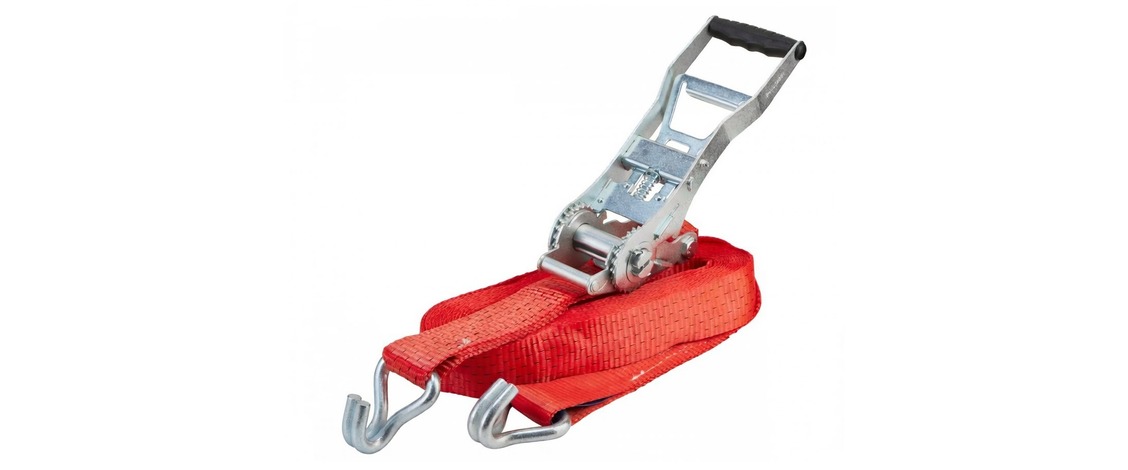
Ratchet belts – Reliable Load Securing for Industrial Transport
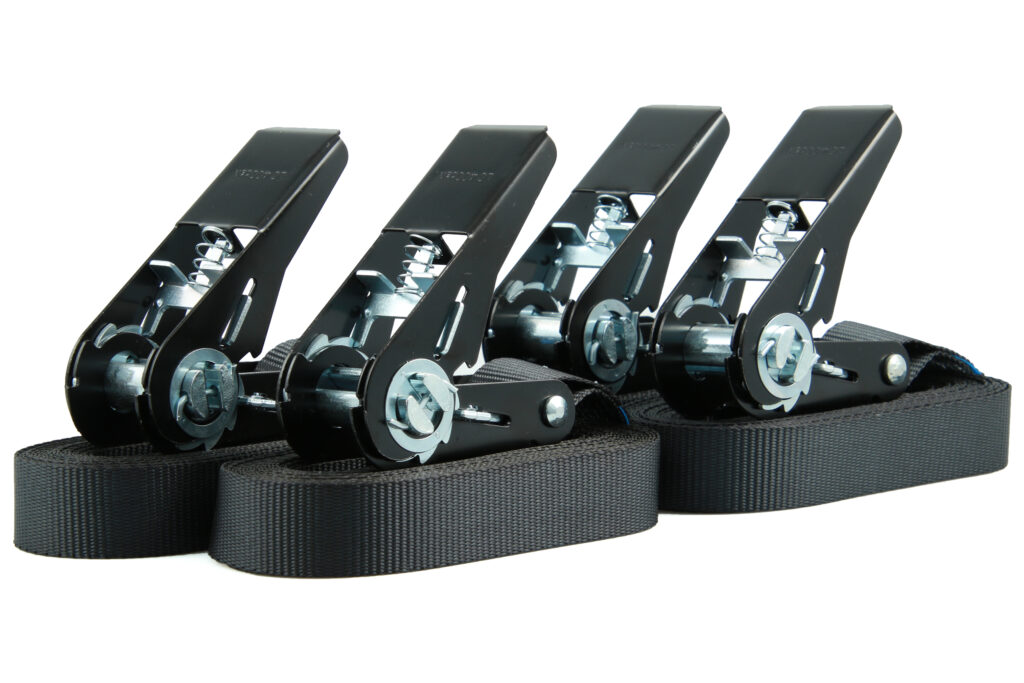
Our ratchet belts provide reliable and compliant load securing for road, container and intermodal transport.
Manufactured according to DIN standards and TÜV-tested, they deliver consistent performance for daily industrial use – from palletized goods to heavy machinery.
High tensile strength, durable polyester webbing and robust ratchet mechanisms ensure safe, efficient and compliant load securing – even in demanding logistics environments.
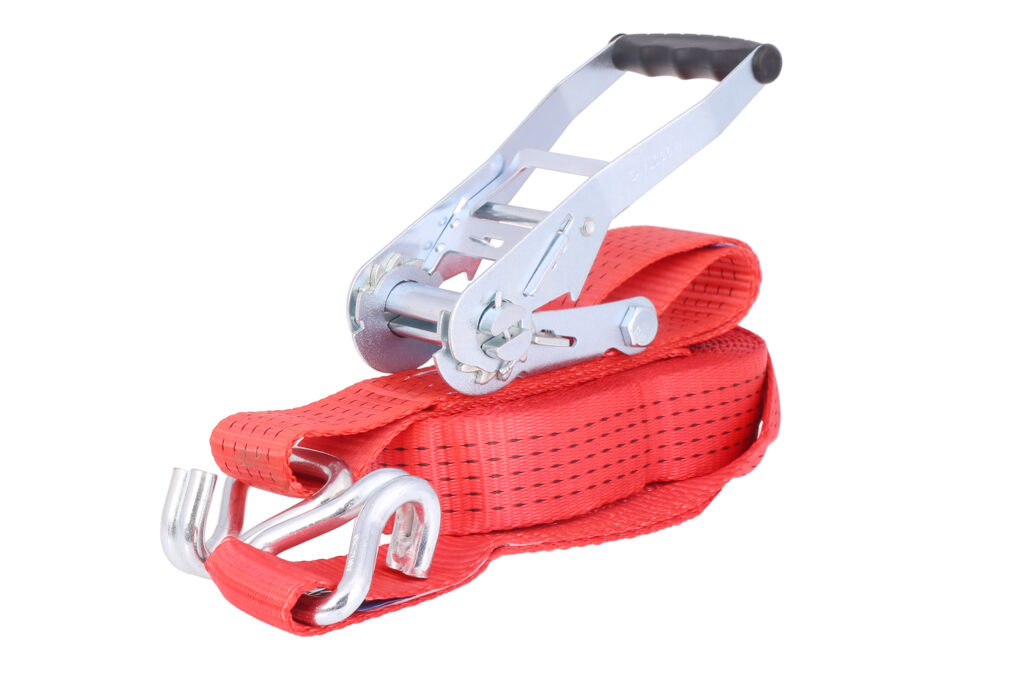
Key Benefits
- TÜV-tested quality for maximum reliability
- Manufactured according to DIN EN 12195-2
- High tensile strength and low elongation
- Durable polyester webbing for long-term use
- Safe, ergonomic ratchet mechanisms
- Suitable for trucks, containers, trailers and warehouse handling
- Consistent quality for professional logistics
- Available in multiple lengths and capacities
Available Variants
| Variant | Description | Typical Use Cases |
|---|---|---|
| Part Load Lashing (One-piece Belts) | Lightweight one-piece belt for quick application. Easy to handle and ideal for fast workflows. | Bundling good, pallet stabilization, internal logistics, light cargo |
| Two-Piece Ratchet Belts (Standard Truck Belts) | Classic system with fixed-end + loose-end webbing; highly versatile. | Truck beds, trailers, flat racks, general transport |
| Heavy-Duty Ratchet Belts | Reinforced webbing and strong ratchet mechanism for maximum load capacity. | Oversized cargo, machinery, heavy industry, construction materials |
| Ergo Ratchet Belts | Ergonomic reverse ratchet design for reduced physical strain and easier tightening. | Frequent daily use, logistics teams, warehouse operations |
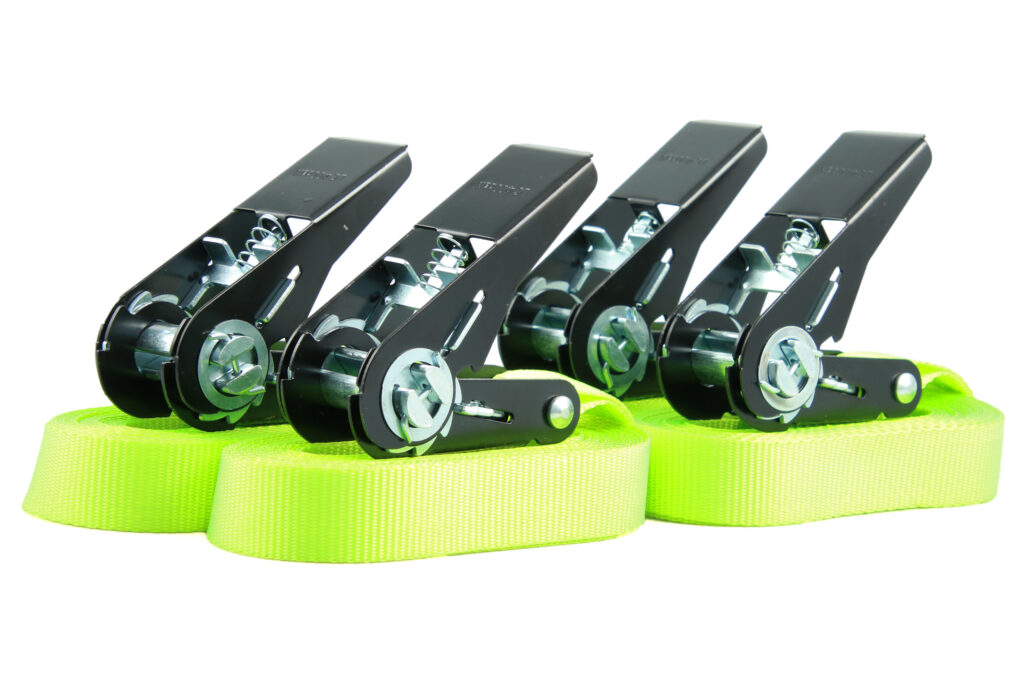
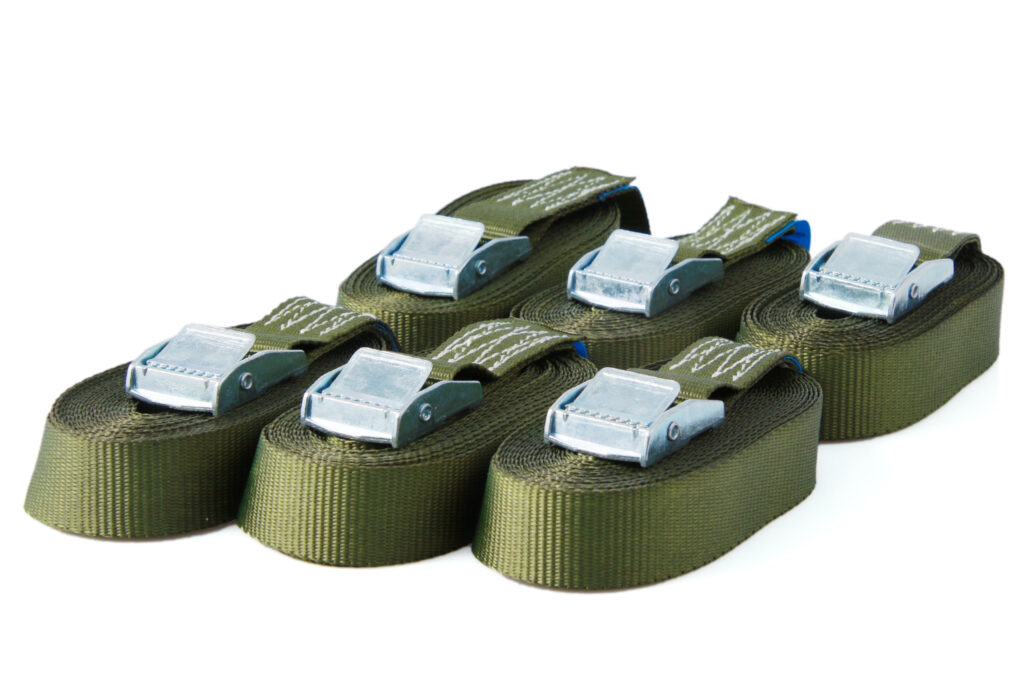
| Short Ratchet Belts | Compact straps for securing small or medium items. | Equipment transport, internal logistics, warehouse fixation |
| Custom Length & Labeling | Tailor-made belts with special lengths, prints or customer branding. | Custom projects, OEM solutions, branded load securing |
Technical Specifications
- Webbing width: 25 mm, 35 mm, 50 mm (most common), 75 mm
- Lashing cpacity (LC): 400 – 2.500 daN
- Breaking strenght (BS): 800 – 5.000 daN
- Elongation: < 7% (DIN-compliant)
- Ratchet types: Standard, Long-handle, Ergo
- Hooks: Double J-hook, Flat hook,, Claw hook or customer-specific
- Label: Blue DIN label with LC, SHF, STF and batch number
- Material: 100% high-strength polyester (PES)
Typical Applications
Ratchet balts are used in
- Truck and trailer transportation
- Container & flat-rack securing
- Pallet stabilization
- Machinery transport
- Construction & heavy freight
- Internal warehouse distribution
- Securing Big Bags, timber, steel or equipment
They are an essential safety component in every professional transport chain.
Quality & Service You can rely on
We understand that secure cargo transport depends on equipment you can trust.
That’s why our ratchet belts offer:
- Certified quality (TÜV & DIN EN 12195-2)
- Consistent load capacity and stitching strength
- Fast availability from stock
- Technical support for correct belt selection
- Custimized solutions for large accounts
- Reliable long-term performance in all logistics operations
We support your team with expert advice and fast response times, because safe transport starts with the right equipment.
FAQ – Ratchet belts
Check out our answers to the questions of our Customers.
Are your ratchet belts TÜV-certified?
Yes. All our belts are TÜV-tested and comply with DIN EN 12195-2.
Which belt width should I choose?
50 mm is the most common for truck transport; 25–35 mm are used for lighter loads.
Tell us your cargo type — we’ll recommend the correct option.
What hooks are available?
Double J-hooks, flat hooks, claw hooks, or custom solutions.
Can I order custom lengths or prints?
Yes, custom lengths, colors and printing (e.g. company name) are available.
Are the belts reusable?
Yes, ratchet belts are designed for repeated use as long as they remain undamaged and the label is readable.
What does LC and STF mean?
LC = Lashing Capacity
STF = Standard Tension Force
Both values determine how strong and secure the belt is under tension.
Do I need a tensioning tool?
Yes.
For correct tightening and safe application, a compatible tensioner or lashing tool should be used.
We can advise you which tool fits your lashing type.
How should damaged belts be handled?
Belts with cuts, chemical burns, unreadable labels or damaged hooks should be replaced immediately.